Guide · Marketing
Month-by-month festivals, days and seasons, with practical offer and post ideas for local shops.
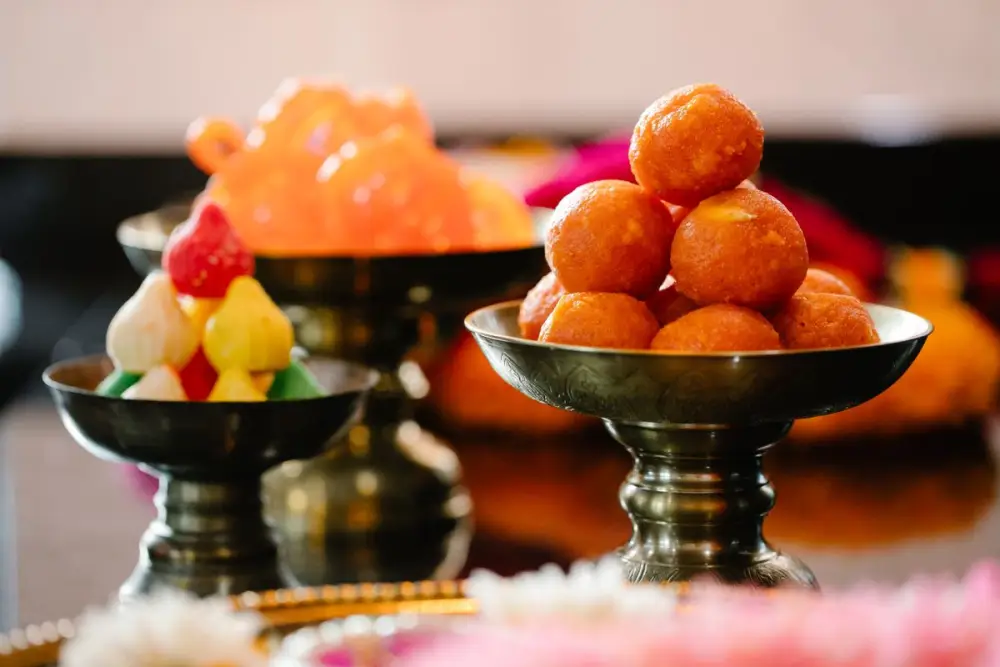
In India, the year runs on festivals. Each one changes what people buy, when they shop and what they want to hear from you. The sweet shop makes til laddoo in January and gift boxes in October. The salon is full the week before Karwa Chauth. The coaching centre's phone rings the day board results come out.
The shops that do well around festivals are rarely the ones with the biggest discounts. They decided the offer early, had the poster ready and told their regulars before the rush. This calendar helps you plan your whole year in an hour.
How to use this calendar
- Pick your moments. You do not need every festival. Choose five or six that matter to your customers and do them well.
- Check this year's dates. Many festivals follow the lunar calendar and move every year. Where this guide says "usually in March", confirm the date in this year's calendar before you plan.
- Plan backwards. For a big festival, start about three weeks ahead.
- Think local. Pongal in Chennai, Baisakhi in Ludhiana, Onam in Kochi, Chhath in Patna. Your neighbourhood decides which festivals matter most.
The ideas below are examples. Pick the ones that suit your shop.
January to March
January
Festivals and days: New Year (1 January), Lohri (around 13 January), Makar Sankranti and Pongal (mid-January), Republic Day (26 January). Vasant Panchami sometimes falls in late January. Wedding season is in full swing.
- Sweet shops and bakeries: til laddoo, gajak, chikki and rewri boxes for Lohri and Sankranti, with orders taken on WhatsApp.
- Gyms and yoga studios: a New Year joining offer for people with fresh resolutions. Keep the promise honest.
February
Festivals and days: Valentine's Day (14 February). Vasant Panchami (usually late January or February). Maha Shivratri (usually February or March). Board exam season begins for many students.
- Cafes and restaurants: a set menu for Valentine's week, with table bookings on your website.
- Coaching centres: revision batches and short exam-tips posts. Parents share these.
March
Festivals and days: Women's Day (8 March). Holi (usually in March). Ugadi and Gudi Padwa, and Ram Navami (usually March or April). The financial year ends on 31 March.
- Sweet shops: gujiya and thandai pre-orders for Holi, taken a week ahead.
- Salons: after-Holi hair spa and skin care slots for the days after the colours.
- Boutiques and salons: a Women's Day post celebrating your women customers or your own team.
- Any shop: a year-end clearance before 31 March.
April to June
April
Festivals and days: Baisakhi (around 13 or 14 April), plus Ugadi, Gudi Padwa or Ram Navami if they fall this month. New sessions start in many schools and coaching centres. Summer holidays begin in some states.
- Coaching centres: admissions for the new session, with a "book a demo class" option.
- Cafes and restaurants: a summer menu of lassi, aam panna and cold coffee.
May
Festivals and days: Mother's Day (second Sunday of May). Board exam results usually come out. Summer holidays in most of India. Weddings in many regions.
- Cafes, restaurants and bakeries: family lunch bookings and cake pre-orders for Mother's Day.
- Gyms, yoga and dance studios: summer batches for children on holiday.
- Photographers: summer family shoots while children are home.
June
Festivals and days: Schools reopen in many states. The monsoon usually reaches Kerala in early June and spreads north over the following weeks.
- Boutiques and tailors: school uniform stitching and alterations.
- Cafes and restaurants: chai and pakoda evenings for the first rains.
July to September
July
Festivals and days: Monsoon in full swing. Sawan (Shravan) usually starts in July in many North Indian homes, bringing fasts and vegetarian meals. Few big shopping festivals, which makes it the best month to prepare for the festive season.
- Restaurants: a vrat thali or a fully vegetarian Sawan menu.
- Sweet shops: early Rakhi gift boxes for customers posting sweets to siblings in other cities or abroad.
- Every shop: update photos and prices, and collect WhatsApp opt-ins before August.
August
Festivals and days: Independence Day (15 August). Raksha Bandhan (usually in August). Janmashtami (usually August or early September). Onam and Ganesh Chaturthi (usually late August or September).
- Sweet shops: Rakhi and sweet combos, then modak pre-orders for Ganesh Chaturthi.
- Restaurants in Kerala: Onam sadya pre-booking by number of guests.
- Boutiques: Rakhi outfits, and kasavu sarees and mundu for Onam.
- Independence Day: a greeting post, not a hard sell.
September
Festivals and days: Teachers' Day (5 September). Ganesh Chaturthi and Onam if they fall this month. Navratri (usually late September or October). In many families, the fortnight of Pitru Paksha before Navratri is a quiet time for new purchases, so plan launches after it.
- Coaching centres and schools: a Teachers' Day post thanking your teachers by name.
- Boutiques: chaniya choli and garba outfits for Navratri, with tailoring orders taken early.
October to December
October
Festivals and days: Gandhi Jayanti (2 October). Navratri and Dussehra (usually late September or October). Karwa Chauth (usually October, about ten days before Diwali). Dhanteras, Diwali, Govardhan Puja and Bhai Dooj (usually October or November).
- Salons: Karwa Chauth mehndi and makeup slots, opened two weeks ahead.
- Sweet shops: corporate Diwali gifting. Message your office customers early in the month, because bulk orders need time.
- Gandhi Jayanti: a respectful greeting only.
November
Festivals and days: Diwali and the days around it, if they fall this month. Chhath (about six days after Diwali). Guru Nanak Jayanti (usually November). The wedding season picks up after Diwali.
- Photographers and salons: wedding and pre-wedding bookings. Post your bridal work and open your diary early.
- Hotels: stay packages for wedding guests.
- Bakeries and sweet shops: Bhai Dooj hampers and Gurpurab greetings.
December
Festivals and days: Christmas (25 December), New Year's Eve (31 December). Wedding season continues, and schools close for winter in many places.
- Bakeries: plum cake and Christmas cake pre-orders from the start of the month.
- Cafes and restaurants: Christmas brunch and New Year's Eve dinner bookings.
- Every shop: a short thank-you message to regular customers who opted in.
Festivals whose dates move
These follow the lunar calendar. The months below are where they usually fall. Check the exact dates every year.
| Festival | Usually falls in |
|---|---|
| Vasant Panchami | Late January or February |
| Maha Shivratri | February or March |
| Holi | March |
| Ugadi, Gudi Padwa, Ram Navami | March or April |
| Raksha Bandhan | August |
| Janmashtami | August or early September |
| Onam, Ganesh Chaturthi | Late August or September |
| Navratri | Late September or October |
| Karwa Chauth | October, sometimes early November |
| Dhanteras, Diwali, Govardhan Puja, Bhai Dooj | October or November |
| Chhath | October or November, about six days after Diwali |
| Guru Nanak Jayanti | November |
Eid works differently. Eid al-Fitr and Eid al-Adha follow the Islamic lunar calendar and come about 11 days earlier each year, so over time they move through every season. The exact day depends on the moon sighting, so keep Eid offers flexible by a day. Sweet shops can take sheer khurma and seviyan orders, restaurants can offer iftar platters during Ramzan, and boutiques can show Eid outfits early.
Seasons that matter as much as festivals
- Wedding season: mostly the winter months after Diwali, with more weddings in spring and early summer in many regions. Dates follow auspicious days, which change every year.
- Exam season: board exams usually run from February into March. A busy time for coaching centres and stationery shops. Keep messages to families short and useful.
- Summer holidays: roughly May and June in much of India, earlier in some states. Good for children's batches and family outings.
- Monsoon: usually June to September. Think about delivery and indoor offers for the days rain keeps people at home.
A three-week plan for any big festival
- Three weeks before: decide the offer, order stock and pick a poster.
- Two weeks before: add festive items to your website with prices and photos, and post the poster on your WhatsApp status and Instagram.
- One week before: send a campaign to customers who opted in, filtered by tags. Make a saved reply with your festive price list.
- Festival day: post a warm greeting, not another sale. Set an out-of-hours message if you close early.
- After: note what sold out and what did not, so next year's plan starts with real numbers.
Festival posters without a designer
GrowthDwar has 100+ poster designs for 30+ Indian festivals and days, including Lohri, Makar Sankranti, Pongal, Holi, Ugadi and Gudi Padwa, Baisakhi, Raksha Bandhan, Onam, Ganesh Chaturthi, Navratri, Karwa Chauth, Dhanteras, Diwali, Bhai Dooj, Chhath, Guru Nanak Jayanti, Eid and Christmas. There are also designs for offers, new arrivals, announcements and greetings.
Each comes in post, square and story sizes, with your logo, shop name and phone number added automatically. Change the words, colours and photos, then share it to your WhatsApp status and Instagram or send it as a campaign. Campaigns go only to customers who agreed to hear from you, and if they have not messaged you in the last 24 hours, the message must use a format approved by Meta. WhatsApp's message charges are billed by Meta.
Pick your five festivals tonight and put them in your diary. If you would like the posters, website and WhatsApp campaigns in one place, start GrowthDwar's 14-day free trial, no card needed, and have your first festival poster ready this afternoon.
Questions
When should I start planning a festival offer?
For a big festival like Diwali, Raksha Bandhan or Christmas, start about three weeks ahead. That gives you time to decide the offer, stock up, make the poster and tell customers before the rush. Smaller days need only a few days.
Why do festival dates change every year?
Many Indian festivals follow the lunar calendar, so their dates on the regular calendar move from year to year. Eid follows the Islamic lunar calendar and comes about 11 days earlier each year. Always check the current year's calendar before you plan.
Do I need to post for every festival?
No. Pick the five or six moments that matter most to your customers and do them well. A simple greeting is enough for the rest, or you can skip them.
Can I send festival offers on WhatsApp to all my customers?
Send offers only to customers who agreed to hear from you. If a customer has not messaged you in the last 24 hours, the offer must use a message format approved by Meta. WhatsApp's message charges are billed by Meta.
Where can I get festival posters with my shop name on them?
GrowthDwar has 100+ poster designs for 30+ Indian festivals and days, in post, square and story sizes. Your logo, name and phone number are added automatically, and you can change the words, colours and photos.
Can I try GrowthDwar before paying?
Yes. Every account starts with a 14-day free trial and no card is needed. You can set up your website, connect WhatsApp and send your first messages before choosing a plan.
Put this into practice this week
Website, bookings, WhatsApp and posters in one place. Start your 14-day free trial, no card needed.
Keep reading
-
 How to Get More Google Reviews for Your Local BusinessWhen to ask, what to send, how to reply, and the review mistakes that break Google's rules.Read the guide
-
 How to Send WhatsApp Offers Without Getting BlockedOpt-in, approved formats, timing and opt-out wording that keep your offers welcome and your number healthy.Read the guide
-
 WhatsApp Business App vs API: Which One Do You Need?An honest side-by-side of the WhatsApp Business app and the API, with a checklist for when to switch.Read the guide
-
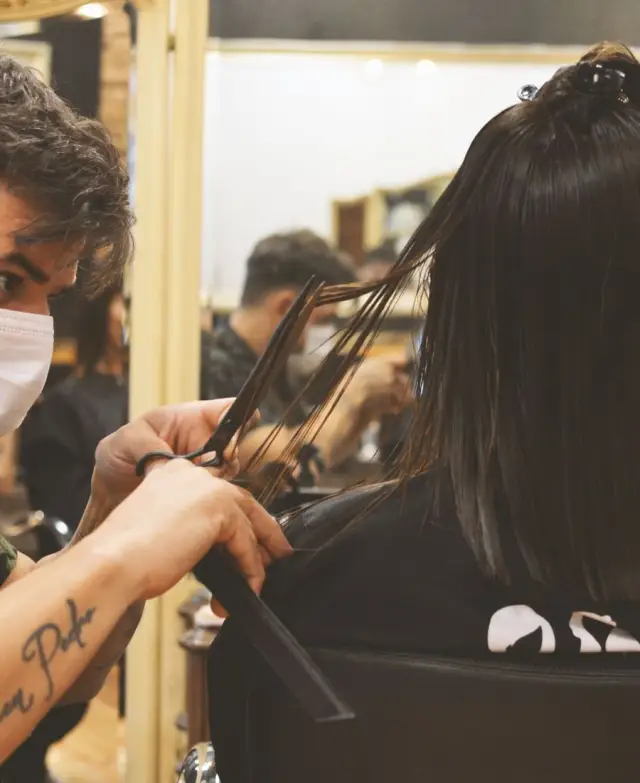 Salons and beauty parloursSlot booking, quick WhatsApp replies and festive offers for salons, parlours and bridal makeup artists.Read the playbook